Upgrading to a More Expensive Machine
Pages 134–137
The world is your oyster, so why not, before you start out as a detectorist, just buy the most up-to-date and the most expensive machine? For the same reason as when you pass you’re driving test, you don’t rush and buy a Lamborghini car! A Lamborghini could cost $1,600,000, take 3.3 seconds to reach 60 mph and it has a top speed of 211 mph. Nice car, but could you drive it, enjoy it, and get the best out of it? I don’t think so, and that’s what we are trying to show in this book; start slow, get the best from your chosen machine, enjoy the hobby, and then, when you are hooked, maybe change your machine for a more expensive one. You might also be surprised that you don’t want to change and, even if you do, you keep your old one just as a backup. By the time you are ready to change, you will be familiar with a lot of the machines that are available from the manufactures, and the dealers. (P.S. I wouldn’t mind trying out the car though!) So which machine is next? Let’s look at the choice. All you have to do is pick up a copy of Treasure Hunting and you will find about a dozen manufacturers, each with six to ten machines on offer! That’s about 90 detectors and, even if you eliminate the starter machines and those at the very top end, that might still leave 45 odd machines to tempt you. This next detector is going to cost you about £500 so you will want to get it right, first time. I have known lads, over the years, change their machines two or three times in quick succession, far too readily, and each time losing money on the deal. So how do you go about picking one from all that are available? The very best way is to talk to other detectorists, but even this way you still have to cut through the bull.

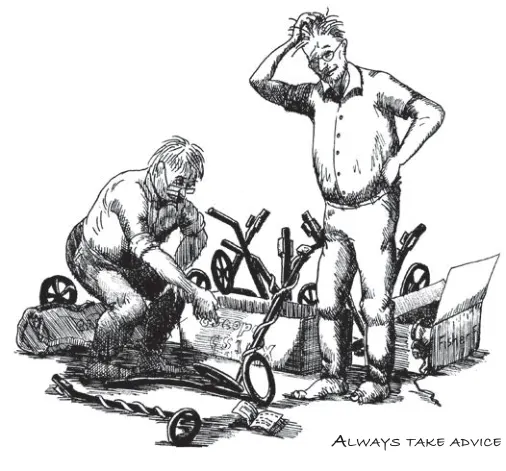
Detectorists are like fishermen, as it just gets better every time they tell it! You always talk up the machine you are using, and then knock it against the new one you have just bought! I still have my last two machines; they still work well and, every now and again, I take them out and use them, just for old times sake. I digress; talk to other members of your club, or people at a rally as it’s better to have too many opinions than none at all. Talk to a few dealers, who are there to sell you a machine and give you advice. Most will go that extra mile to ensure you get the correct detector for you. Try out a couple of machines, and this is one of the many advantages of being a member of a club. If there is a machine you really fancy, ask somebody if you can borrow it for a day or two. If they are a bit reluctant, then go out detecting together. They won’t mind giving you a demonstration and a few pointers and they would probably let you try it out then for an hour or two. If they don’t, buy one anyway and tell them it was £100 cheaper than theirs! We are not going to tell you which machine to upgrade to, as there are too many excellent manufactures, but I have to fill this page with something so let me run through my own history of buying detectors! It started over 25 years ago with an original 770 from C.Scope. Later I went on to a lighter machine, the Fisher 1265; next came the classic Laser BI; I then tried a Tesoro Rapier, a nice light machine which I bought because I had a bad arm at the time but, within a year, and as soon as my arm got better, I went back to the B1 and used that for years; it’s still a classic machine in my eyes. I bought a Minelab Explorer II when it came home to me that others were getting signals on targets which I was missing. So I have bought six machines in this time frame, and this gives an average of about 4 years each, and I think that’s about right. So when it’s time to upgrade look at the main manufacturers,
consider your budget; ask others what they have and if their find rate, on all types of farms, is good. Ask them about the amount of rubbish they dig; talk about discrimination and if the pinpointing works well. (A few years ago, on a display day, one of the lads gave us a demonstration of a great new machine he had just bought. He ended up with a hole about one and a half feet across and a foot deep. He did find a pound coin in the end, but that “good” machine was clearly rubbish at pinpointing!) Talk to the members who always seem to have finds on the monthly display table and ask how often they go out. If they go out detecting a lot more than others then they should have more finds, but if not see what machine they use! In a club there should be a fair spread of different machines but if one machine, or manufacturer, is more popular - ask why! So, what should your next machine be capable of? Shown here are the contents of a small pit, 10 inches down and with a lot broken and burnt Roman pottery. There were also a few bits of lead; two bronze late Roman coins (with a 5p added for scale); about 20 rusty iron nails, and a small bit of a Roman silver spoon. This is a lot to ask of any detector as it has to distinguish the good items from the rusty nails. We would always recommend you buy a known brand of machine from a good dealer or straight from the manufacturer. Treasure Hunting magazine also takes adverts from people trading up. But remember there are plenty of stolen detectors out there, and there are many “grey” imports where you will have no comeback if it fails. I saw a large advert, for an odd machine, in a paper a few months ago that stated it was used by “all major treasure hunters”! It looked like a 1960s toy, and the model has never been listed by our dealers. Or

why not buy a pair of detecting sandals, which were advertised in a national paper! It’s true - I had a reporter ring me up and ask if I had ever had a pair! There is also a hand held, long range (their words) detector that will, apparently, find treasure (their word) two miles away (Wow! - my word). Don’t be fooled by this sort of thing! If you just want to get rid of £500, give it to a charity and stay with the detector you have! Remember it takes time, as much as six months of frequent use, to get used to a new machine as they are all slightly different. When you have a new machine persevere with it, lay out your finds and listen to the sounds; check the readings. Don’t give up and go back to your old detector; accept that you are going to have to learn all over again, but the time spent doing this will be well worth it!. Some of these manufacturers were in at the very beginning of the hobby and others arrived much later, but they all make machines that are trusted. We cannot recommend a model but if you stay with the companies listed in the appendix then you will not go too far wrong. Happy hunting!